

Contract Manufacturing for Carbide AICD Components in Oil & Gas
October 5, 2026
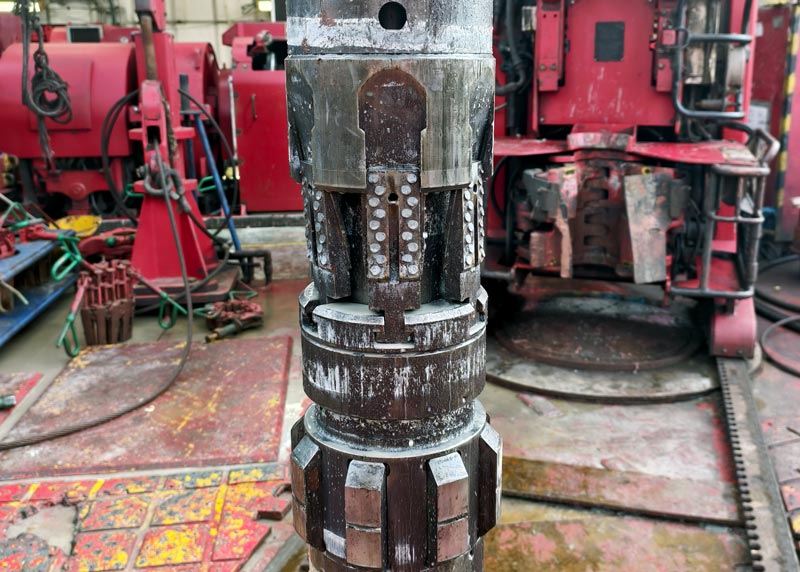
Carbide AICD components play an important role in oil and gas applications where downhole parts must withstand pressure, heat, abrasive media, and continuous flow. The components inside Autonomous Inflow Control Devices are not chosen because they are easy to manufacture. They are chosen because they need to last.
That is why carbide is often used in critical wear components for downhole tools and flow-control applications. Tungsten carbide is valued for its hardness, wear resistance, and ability to hold up under conditions that would quickly degrade conventional metals.
That same hardness, however, is exactly what makes carbide so challenging to manufacture. Standard CNC milling removes material by cutting it away, which can create excessive tool wear, poor tolerances, or process limitations when working with materials this hard.
At EDM Intelligent Solutions, our contract manufacturing capabilities are built around this exact challenge: producing precision carbide AICD components and other hard-material parts for applications where conventional machining is not always equipped to deliver the required geometry, accuracy, or repeatability.
Why Carbide AICD Components Do Not Play by Conventional Rules
Tungsten carbide’s hardness is a double-edged sword. It gives finished components their long service life, but it also means the material resists the cutting action that traditional CNC mills rely on.
Instead of machining carbide the way you would machine steel or aluminum, manufacturers typically rely on processes better suited to hard, brittle materials, including electrical discharge machining (EDM) and precision grinding.
EDM uses controlled electrical discharges to erode material rather than physically cutting it. Because the process does not depend on mechanical force or a cutting edge, it can produce complex, tight-tolerance geometries in carbide without the same tooling challenges associated with conventional machining.
Precision grinding complements the EDM process by refining surfaces and dimensions once the basic geometry is in place, helping deliver the fine finishes and dimensional accuracy that carbide applications demand.
The Advantage of EDM for Carbide AICD Components
Carbide AICD components and related downhole flow-control features often require hard materials, tight tolerances, small details, and geometries that are difficult to produce using conventional machining alone.
- It supports intricate, tight-tolerance features that may be difficult or impractical to cut conventionally.
- It reduces mechanical stress on brittle materials because there is no direct cutting force involved.
- It helps protect fine details and complex geometries, including thin walls, internal features, precision slots, small openings, and flow-control pathways.
- It makes hard-material manufacturing more viable by avoiding the excessive tooling wear associated with traditional cutting processes.
For carbide AICD components that need to perform downhole, the goal is not simply to make a hard material into a finished shape. The goal is to manufacture a part that can hold tolerance, resist wear, and help extend service life in an environment where replacement is costly.
How Metrology Supports Carbide AICD Components
Producing a precision carbide component is only half the job. Confirming that it meets specification is just as important.
At EDM Intelligent Solutions, metrology is built into the manufacturing process itself. Parts can be inspected in process as they are being made, helping dimensional issues get identified and addressed earlier rather than discovered only after a finished part requires rework or replacement.
Once manufacturing is complete, final inspection verifies the part against its full specification before it ships. By bringing contract manufacturing and metrology together under one roof, customers receive more than a machined component. They receive a verified one, backed by measurement data.
Where Carbide AICD Components Matter in Oil & Gas
Hard, wear-resistant materials like carbide are especially valuable in environments where components are exposed to constant friction, abrasive media, extreme pressure, or costly downtime.
In AICD applications, carbide may be used for components such as flow-control pathways, floating discs, sleeves, seats, and other precision features that help regulate fluid movement while resisting erosion and wear.
The same hard-material manufacturing challenges also appear throughout oil and gas drilling, completion, fracturing, and flow-control applications, where carbide components are selected because conventional materials may wear too quickly or fail too soon.
Carbide AICD Components and Inflow Control
Autonomous Inflow Control Devices use internal features that must manage flow while holding up against harsh operating conditions. Carbide is used when these components need greater wear resistance than conventional metals can provide.
Measurement-While-Drilling Tools
In measurement-while-drilling applications, carbide assemblies such as pulser rotors, stators, orifice sleeves, and restrictor bushings can help protect critical tool functions from abrasive, high-velocity drilling fluids.
Mud Motor and Turbine Bearings
Downhole mud motors and turbodrills operate in abrasive drilling mud while converting hydraulic flow into rotational power. Tungsten carbide radial bushings, journal sleeves, and thrust-bearing components can help withstand the wear, vibration, and loading conditions these tools experience.
Rotary Steerable Systems
Rotary steerable systems rely on components that must perform reliably while exposed to abrasive borehole conditions and high-pressure fluid flow. Carbide or carbide-matrix components are often used where wear resistance, sealing performance, and long service life are critical.
Severe-Service Valves, Chokes, and Flow Control
During drilling, testing, and managed-pressure drilling, flow-control components may be exposed to abrasive fluids and high differential pressures. Carbide choke beans, stem valves, ported flow cages, and seats are used because they can throttle, seal, and control high-velocity flow with greater resistance to erosion.
Well Completion, Fracturing, and Sand Control
In well completion and hydraulic fracturing applications, carbide components may be used in inflow control devices, frac sleeves, ball seats, and other assemblies exposed to abrasive media and severe operating conditions.
Across these applications, the pattern is consistent: these are not cutting tools. They are wear components, including bearings, sleeves, seats, valves, pathways, and flow-control features, chosen because the alternative may be a part that fails long before the well does.
The Bottom Line
Hard materials solve real problems in harsh environments, but only when they can be manufactured to specification by a partner who understands why conventional machining is not always the right tool for the job.
At EDM Intelligent Solutions, that is our focus: manufacturing carbide AICD components and other hard-material parts that demand EDM and precision grinding, backed by in-process and final inspection that gives customers confidence in every part that ships.