Visual Detection of Defects, Surface Flaws and Cosmetic Blemishes
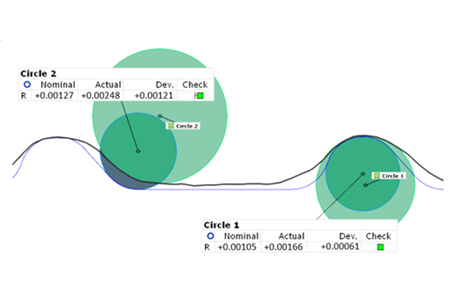
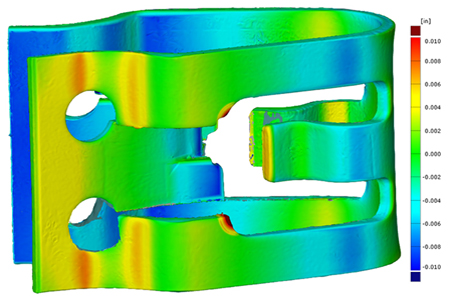
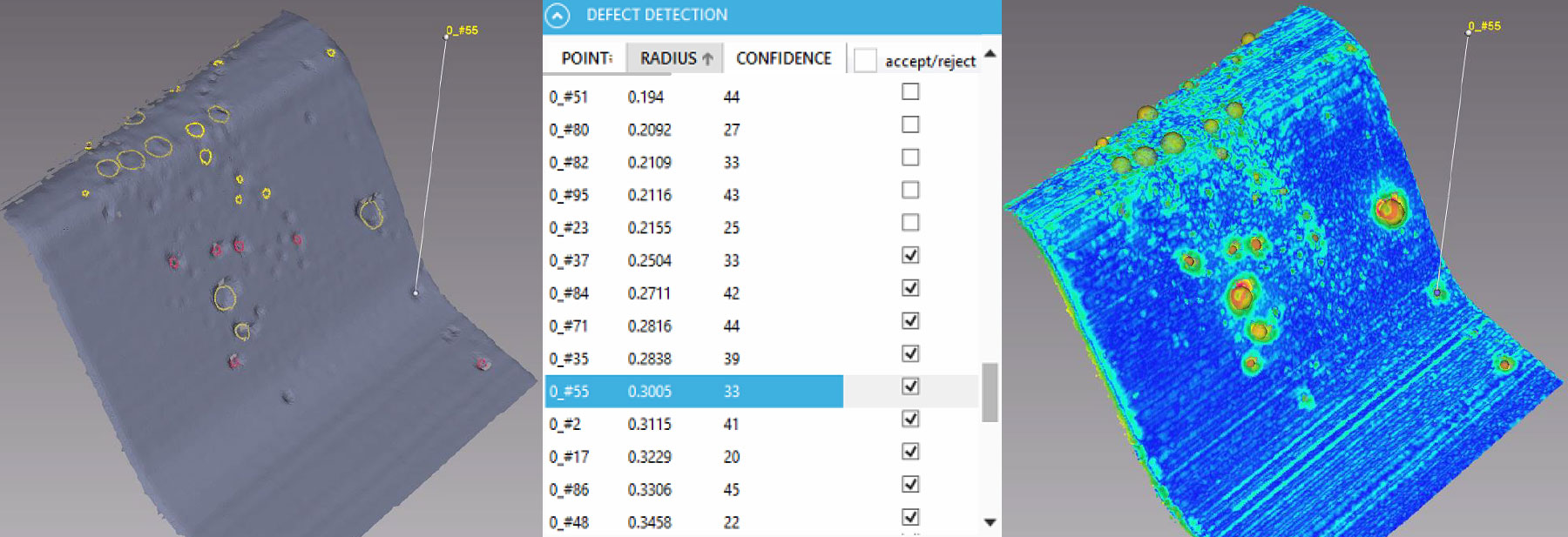
Defect Detection combines high resolution 3D imaging with smart algorithms built into each metrology system from EDM Intelligent Solutions to allow for the automated detection of defects in critical surfaces. Blisters, broken edges, cracks, delamination, dings, handling damage, lack of material, material deficiencies, missing pieces, packaging issues, pits, porosity and scratches are just a few of the types of defects that can be found.
Other defect detection systems on the market utilize traditional 2D cameras, pixel interpretation and complex lighting configurations to take a “guess” at which pixels are considered defects. The 3D metrology systems from EDMIS utilize true 3D data points, having an XYZ location in space and a physical size to actually measure the defect, eliminating the guesswork. And lighting is no issue since our sensors feature fully integrated internal light sources that do not need to be fixtured or setup again for each different part that is inspected. The ability to measure each defect allows the user to easily set defect size thresholds that filter out “acceptable” defects from those that are too large and out of tolerance.
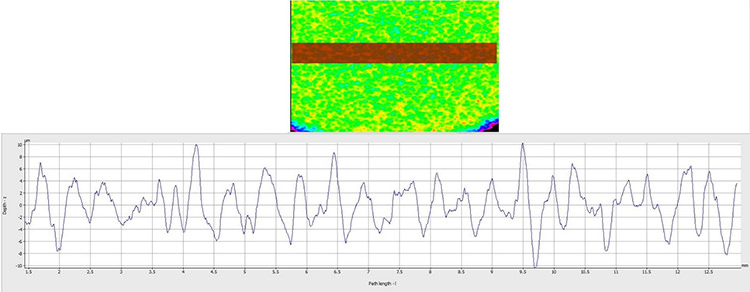
True optical surface finish and surface roughness measurement capabilities allow the defect detection systems from EDMIS to also differentiate difficult to identify surface flaws from the surrounding native surface roughness of the component’s surface. Utilizing the robust CNC controlled motion system of the MVi5 3D Metrology System or the versatile 6-Axis robot integrated within the RSH-M10 Robotic Metrology System, inspection of organic freeform surfaces along with convex, concave and flat surfaces for defects is easily achieved with simple model-based 3D inspection programming and integrated collision avoidance and detection.
Many of the components that our customers in the Aerospace, Automotive, Communications, Defense, Medical and Scientific industries produce require specific surface qualities that serve both cosmetic and functional purposes. In terms of the look and feel of a component, a pristine surface that is free of blemishes and other defects promotes the overall quality of the component and how it is perceived by the end user. In components that comprise critical assemblies like jet engines and surgical implants, having quality functional surfaces that are free from defects is key to ensure performance and reliability of the product.